Go Gliding 2025
a programme of events to inspire young people, especially women and other under-represented groups, to consider aviation and STEM related careers
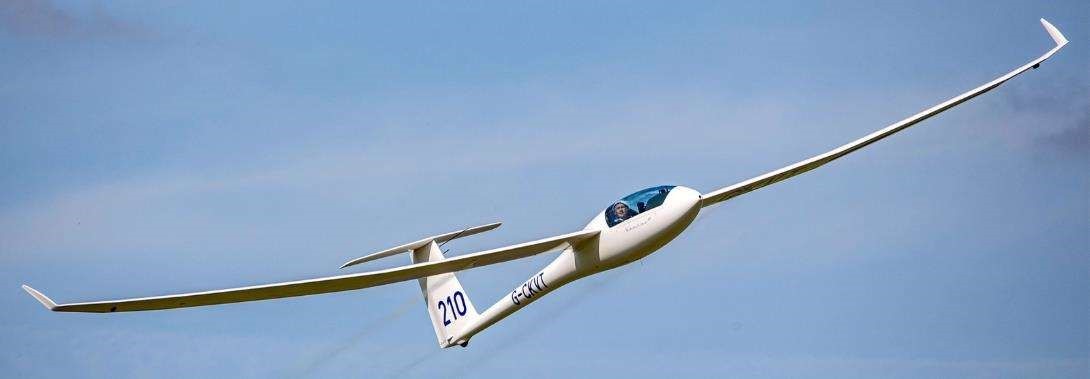
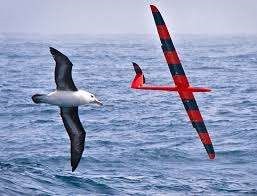
Gliding is a fun adventure sport that requires the pilot to harness the power of nature to stay airborne. It involves flying unpowered aircraft using the same naturally occurring currents of air that birds use to fly. Using these invisible currents of air, known as ‘lift’, you can soar to enormous heights and travel long distances at average speeds of over 100 miles per hour.
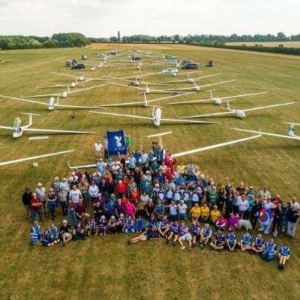
Truly a sport for all, gliding encourages the learning and exercising of new skills in an outdoor environment. Gliding is not an individual effort: participants learn teamwork, communication and social skills in a friendly, knowledgeable atmosphere. Training involves setbacks, which allows participants to become resilient as they deal with things they can change, their own skills and knowledge, and things they cannot, such as weather. Gliding is progressive giving the opportunity to set and achieve goals, to compete with peers and to acquire leadership and management skills.
Aspiring pilots can fly solo at the age of 14 – that is, they can acquire the skills to fly without an instructor three years before they can learn to drive. Learning the required skills to fly solo requires dedication, retention and resilience when overcoming the inevitable setbacks. Simply being able to pilot the glider is only part of the story; a pre-solo pilot has to convince an experienced instructor that they can remain calm and think clearly in the face of the unexpected before being allowed to go solo. Guiding a glider, and yourself, into the air and bringing it safely back to earth alone is the ultimate confidence boost; many pilots report that after their solo they felt that they would never again be daunted by any task that came their way ‘… if I can do that, I can give anything a go…’.
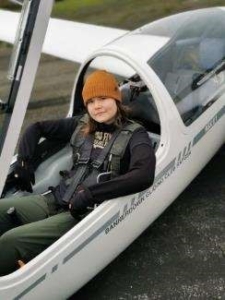
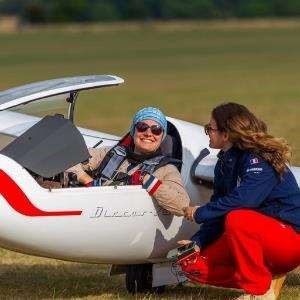
Gliding allows participants to gain technical, scientific and mathematical knowledge in a practical and less academic way. Engineering is at the core of all flying and is at the forefront of innovation in gliding. Gliding clubs solve technical and other issues every day and everybody is involved in achieving this. Subjects such as meteorology, principles of flight (physics and maths), navigation (maths, physics and geography), human performance (biology, psychology and medicine) and flight performance (maths and physics) are taught in theory and then put to practical use. The key to success in gliding is focussed learning and there is much anecdotal evidence to suggest that learning in this way can help students to re-engage with more academic forms of learning.
Airfields are richly bio-diverse places; nature thrives in boundaries and margins and because the human impact is limited – there are no crowds on airfields and they have to be litter-free for safety. Grass is cut but chemical fertilisers are not used as this would simply add to the grass-cutting burden. Many species, such as red kites choose to live on airfields as the habitat is ideal for them. Special encounters with the natural world are common – many pilots have enjoyed sharing a thermal with soaring birds, often just a few metres away and the birds are not disturbed by silent gliders. The mental health and wellness benefits of fulfilling outdoor activities are well documented and gliding delivers these in abundance.
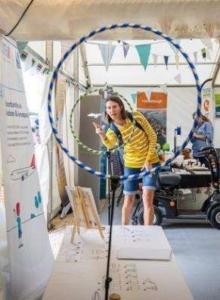
Through the Go Gliding programme the British Gliding Association, together with Women Gliding and partner gliding clubs, is working with schools, youth groups, the Department for Transport (DfT) and STEM (Science, Technology, Engineering, Maths) organisations as we develop exciting, fun gliding- based STEM activities as well as getting youngsters from all backgrounds into the air and introducing them to great gliding and aviation role models. The initiative is funded through grants from the Reach for the Sky programme by the DfT and Civil Aviation Authority.
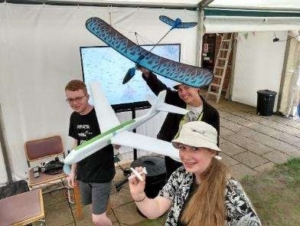

Go Gliding delivers face-to-face events at gliding clubs, online Webinars, and careers day occasions with corporate partners showcasing aviation and STEM career opportunities. The overall goal is to inspire young people, especially women and other underrepresented groups into aviation and STEM careers through gliding.
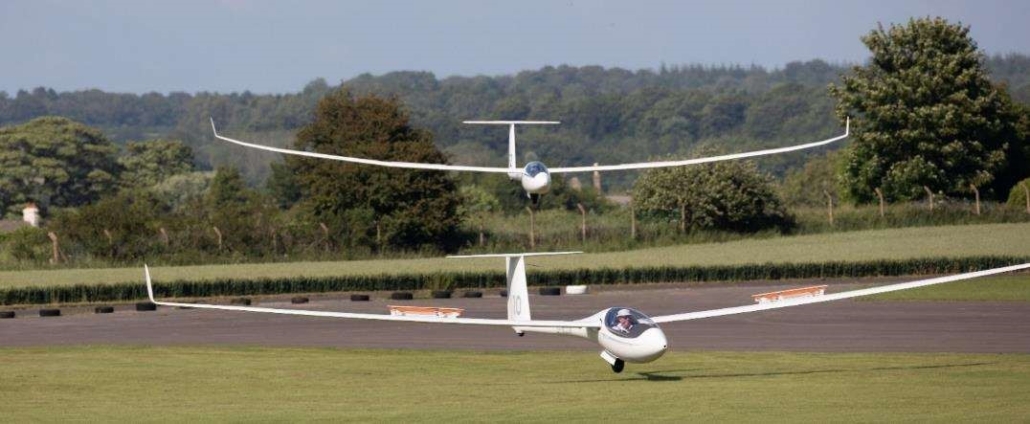
The gliding club events are sessions of about four hours designed for school-age people, with talks on gliding and aviation careers from inspiring role-models, flights in a gliding simulator and fun aviation-related STEM activities tailored to Key Stages 3 and 4. There will be a simple quiz, which will result in 12 participants being invited to take an introductory flight on a later date, sponsored by the Honourable Company of Air Pilots (Note that a participant fee for flights of £20 applies; hardship funding may be available in exceptional circumstances.); these 12 will then be invited to apply for one of two Gliding Scholarships (worth £500) which will allow considerable progress towards becoming a glider pilot.
We would like to inspire your students with a practical session led by our enthusiastic team. Airfield visits let young people try a wide range of activities around gliding and grow life skills as they experience STEM in action. Accordingly, your students are invited to take part at Southdown Gliding Club, Parham Airfield on Thursday 3rd April 2025. The sessions will run: 0900-1200 and 1300-1600. Daytime ‘school’ visits with teacher support, or participation with parental support can be booked. To book places, please go to: https://members.gliding.co.uk/events/go-gliding-stem-day-3rd-april-southdown-g-c/ and select the Southdown Gliding Club event!
This is an inspirational and valuable learning experience that will aid many aspects of your students’ development. We hope that you will be able to join us as a school-organised party but, if you decide that you cannot, may we ask you to consider favourably applications for absence from school by students who wish to make their own way to the airfield?
To find out more, please email office@southdowngliding.co.uk
We very much hope that we can look forward to welcoming your students and staff to Southdown Gliding Club on Thursday 3rd April 2025.